RBA & RBA VAP Training – Validated Assessment Program for the RBA Code of Conduct Ver. 8.0
During a two-day intensive training program, the expert team from VINTECOM International delivered professional training on the requirements and principles for implementing the Responsible Business Alliance (RBA) Code of Conduct, along with practical exercises on RBA VAP (Validated Assessment Program) auditing for managers and key personnel at Inoue Rubber Vietnam Co., Ltd. (IRC Tire Vietnam).
IRC Tire – A Japanese Tire Brand with a Global Network
IRC Tire is a tire brand of Inoue Rubber Co., Ltd., a Japanese manufacturer of two-wheel vehicle tires founded in 1926 with more than 90 years of experience in developing tires for bicycles, motorcycles, and other two-wheel vehicles.
Today, IRC Tire operates multiple manufacturing facilities worldwide and supplies tire products to international markets, including major motorcycle manufacturers.
In Vietnam, IRC Tire Vietnam (Inoue Rubber Vietnam Co., Ltd.) is one of the key suppliers of motorcycle and bicycle tires, tubes, and technical rubber products for the market as well as for leading motorcycle manufacturers.
The company is also actively involved in community and sports activities in Vietnam and has become an official partner of the Hanoi Police FC (CAHN FC) for the 2025–2026 season.
Furthermore, IRC Tire Vietnam is a supplier within the global supply chains of major motorcycle manufacturers such as Yamaha and Honda, and has been evaluated by customers through the RBA VAP (Validated Assessment Program) within the global supply chain.
VINTECOM International Delivers RBA Code of Conduct Training and RBA VAP Audit Practice at IRC Tire Vietnam
The training program conducted by VINTECOM International focused on providing participants with a comprehensive understanding of the RBA Code of Conduct Version 8.0, including its key requirements covering:
- Labor
- Health & Safety
- Environment
- Ethics
- Management Systems
In addition to theoretical knowledge, the program also included practical exercises on RBA VAP auditing, enabling participants to practice:
- Identifying compliance risks in labor, safety, and environmental management
- Understanding RBA VAP assessment methodology
- Identifying applicable RBA clauses
- Collecting objective evidence during an audit
- Evaluating compliance with RBA requirements
Through this program, the management and staff of IRC Tire Vietnam strengthened their capability to implement and maintain responsible business practices in alignment with international supply chain requirements.
The training also supports the company’s commitment to maintaining responsible manufacturing practices and sustainable development, while meeting the increasingly stringent requirements of global customers.
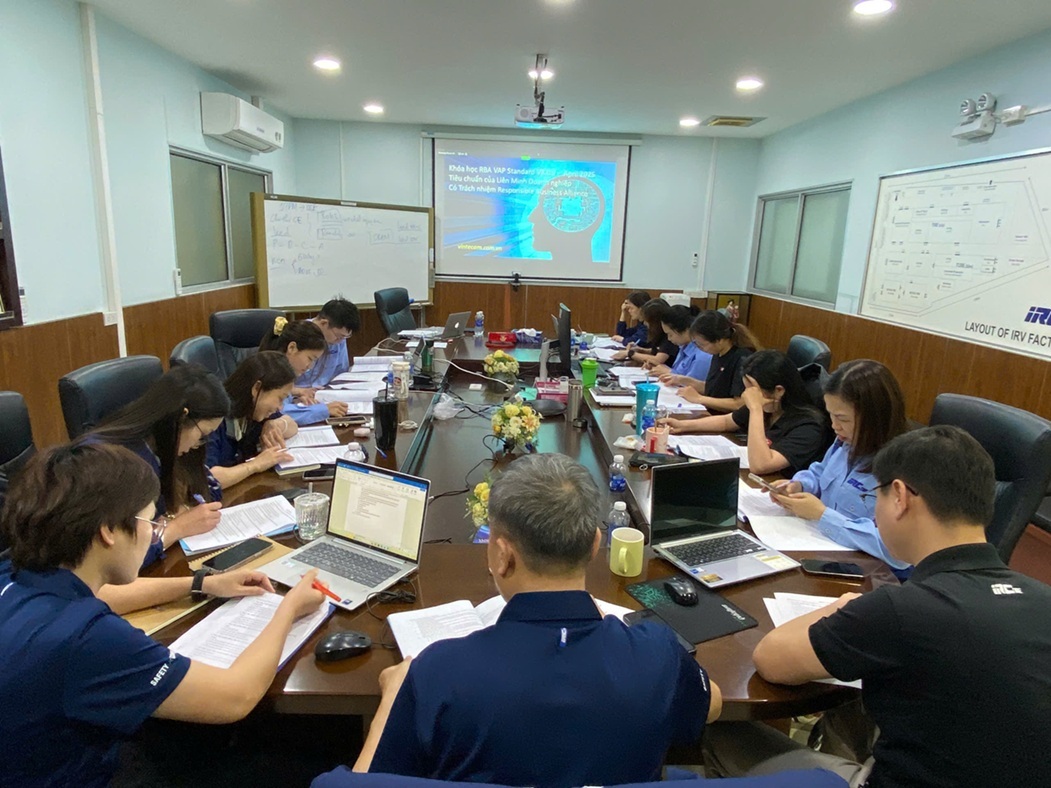 Figure 1: RBA VAP Training Program Conducted by VINTECOM International Experts at IRC Tire Vietnam, a Tire Brand of Inoue Rubber Co., Ltd.
The training program delivered by VINTECOM International focused on the following key topics:
Overview of the RBA Standard
Introduction to the Responsible Business Alliance (RBA) Code of Conduct
Key requirements of the RBA include:
- Labor
- Health & Safety
- Environment
- Ethics
- Management System
Application of RBA in the Global Supply Chain
- RBA compliance requirements within global supply chains
- Key elements in supplier assessments
- The role of management systems in ensuring RBA compliance
RBA VAP Assessment Methodology
- Structure of the RBA Validated Assessment Program (VAP)
- Steps involved in conducting an assessment
- Classification of findings (Priority / Major / Minor)
- Methods for collecting Objective Evidence
Practical Exercises on RBA Auditing
Participants engaged in practical exercises including:
- Identifying risks related to labor, health & safety, and environmental management
- Analyzing real audit scenarios
- Identifying relevant RBA clauses
- Collecting objective evidence and evaluating compliance levels
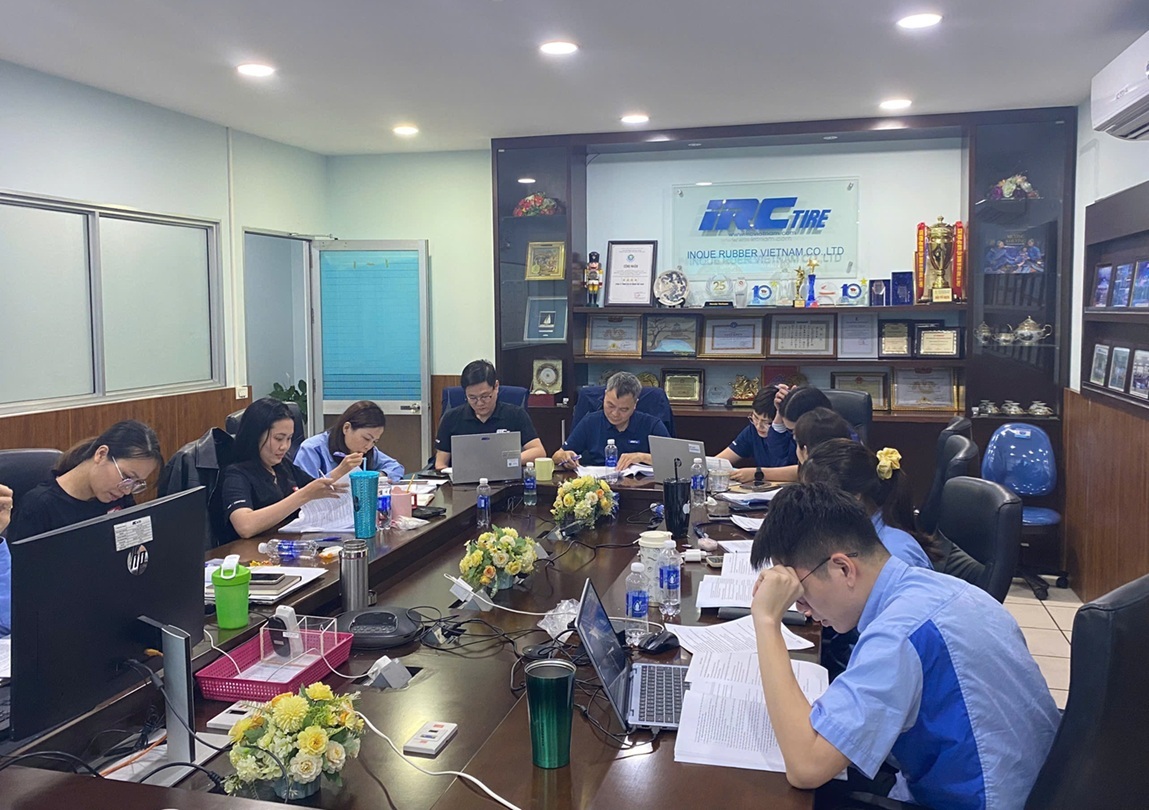 Figure 2: Case Study Practice on RBA VAP Compliance Assessment at IRC Tire Vietnam
Through these practical activities, the management team and staff of IRC Tire Vietnam enhanced their capabilities to implement and maintain responsible business practices and social responsibility management systems within the organization, while strengthening their preparedness for audits conducted by international customers.
Strengthening RBA Compliance Capability in the Global Supply Chain
The implementation of RBA training and RBA VAP audit practice helps IRC Tire Vietnam to:
- enhance awareness of corporate social responsibility (CSR)
- strengthen management capabilities in labor, health & safety, and environmental practices
- meet the compliance requirements of international customers within global supply chains
This training program also reflects IRC Tire Vietnam’s commitment to responsible manufacturing and sustainable development, in line with the increasingly stringent requirements of international markets.
VINTECOM International – Training and Consulting Partner for International Standards
VINTECOM International is a professional consulting and training organization specializing in international standards applied in global supply chains, including:
- RBA / SMETA / CSR / SCAN / C-TPAT
- ISO 9001 – ISO 14001 – ISO 45001
- IATF 16949 – VDA 6.3 – AIAG CQI – Core Tools
- AS9100 – NADCAP – ESD S20.20 – EN 61340
With a team of experts possessing extensive practical experience in training, consulting, and assessment activities for FDI companies within international supply chains, VINTECOM continuously supports enterprises in building and implementing management systems aligned with the requirements of multinational corporations, ensuring their capability to participate effectively in global supply chains.
📶📶📶 Contact us to register for RBA Ver 8.0 Training, Consulting and VAP Auditing
Customers, organizations and enterprises require Training course, Consulting or VAP Auditing of RBA Code of Conduct, please click on "Registration - Quotation" or on the right toolbar below the PC screen to receive a quotation for training, consulting and certification services.
🎁🎁🎁 Enjoy 5% discount on training and consulting fees when registering online!
📶📶📶 Further information, Please contact us as below:
☎ VINTECOM International Office in Ha Noi City: 16th Floor - Green Stars City, 234 Pham Van Dong Street, Phu Dien Ward, Hanoi City. Hotline 094-886-5288/ (024) 730-588-58
☎ VINTECOM International Office in Ho Chi Minh City: Glory Height Vinhome Grand Park - 88 Phuoc Thien Street, Long Binh Ward, HCM City. Hotline 0938-083-998/ (028) 7300-7588
VINTECOM INTERNATIONAL MANAGEMENT CONSULTANCY COMPANY
Head Office: No. 5 Hoang Sam treet, Nghia Do, Cau Giay district, Ha noi City
HANOI VINTECOM INTERNATIONAL OFFICE
Address: 16th Floor - Green Stars City
234 Pham Van Dong Street, Phu Dien Ward, Hanoi City
Tel : (024) 730.588.58/ (024) 730.333.86
Hotline: 094 886 5288
Skype: kd.vintecom
Email : office-hn@vintecom.com.vn
Web : www.vintecom.com.vn
HCM VINTECOM INTERNATIONAL OFFICE
Address : Glory Heights - Vinhomes Grand Park
88 Phuoc Thien Street, Long Binh Ward, Ho Chi Minh City
Contact: Ms. Pham Thu Ha
Tel: (028) 7300 7588
Hotline: 0938 083 998
Email : office-hcm@vintecom.com.vn
Web : www.vintecom.com.vn